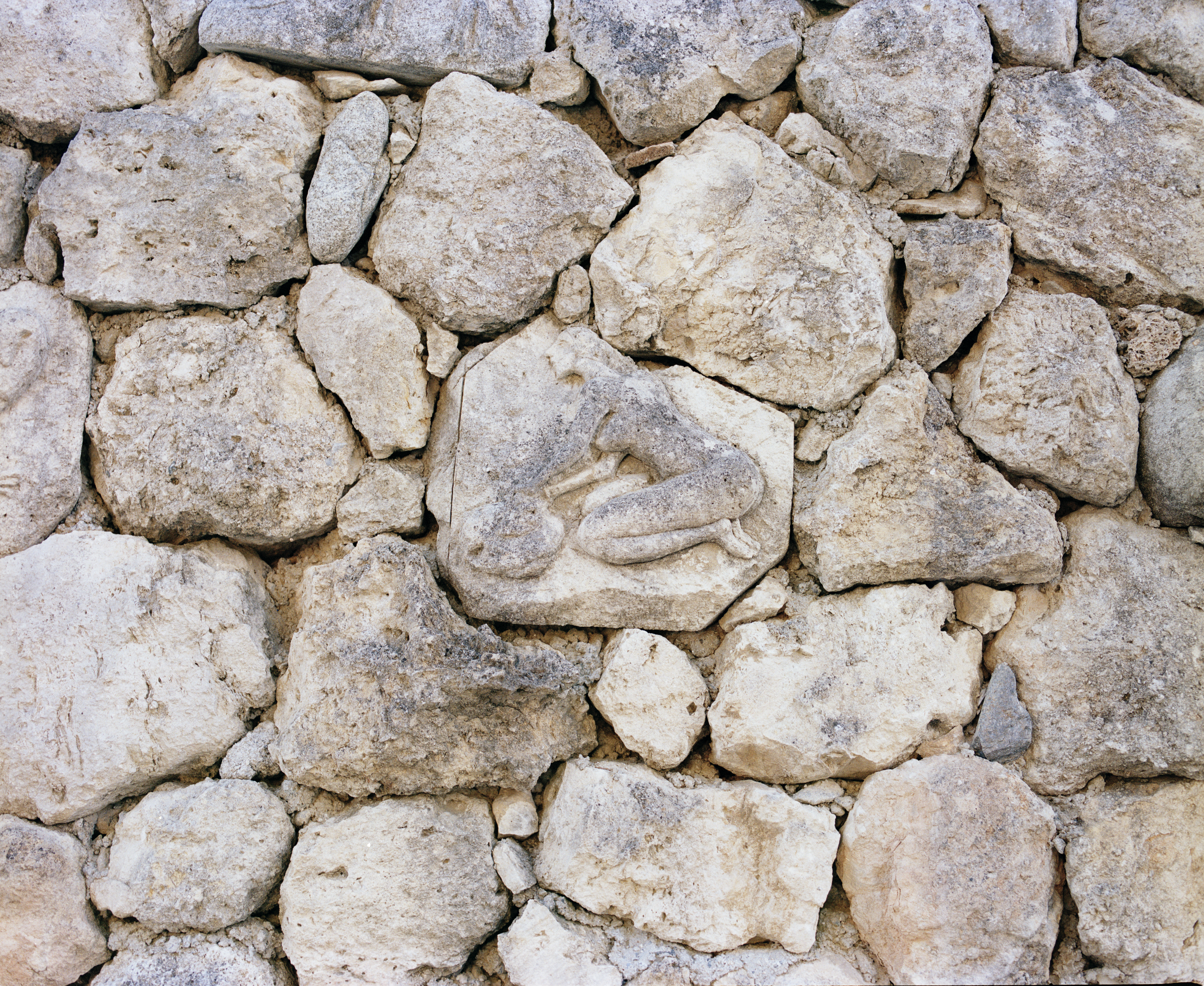
Nosside was a Greek poet from Locri Epizephyrii, in Southern Italy (Magna Graecia), active in the 3rd century BCE. She is considered one of the few women poets of the ancient world whose voice arrived to us almost intact, and she openly places herself in the lineage of Sappho. Only a small number of her epigrams survive—preserved in the Greek Anthology—but they are remarkable for their sensual clarity, tenderness, and devotion to the sacred domestic sphere.
Nosside wrote in Doric Greek and often dedicated her poems to female divinities, votive objects, and intimate gestures of women: perfume, mirrors, amulets, small offerings. Her poetry moves between the personal and the ritual, between memory and the body. She affirmed that “nothing is sweeter than love,” making desire a central force of knowledge. As a Locrian poet, she stands at the threshold between myth and daily life, between the archaic world of the loom and the Mediterranean sea routes. Her voice reminds us that women’s narratives—and women’s material cultures—have always been part of history, even when only fragments survived.
In Locri, her statue looking out toward the sea has become a symbol of the city — a woman watching the threshold, the passage, the horizon of departure and return. In Teofanie, this figure serves as a guide. Her gaze—fixed on the water, on elsewhere, on the invisible—has oriented my own ritual gestures: in the handling of apotropaic weights, in the slow construction of protective signs, in the weaving of narratives that emerge through touch rather than representation. Nosside remains not only a historical reference but a living presence within the work: a spectral companion, a guardian across time, and a reminder that the divine reveals itself through the smallest material fragments we choose to preserve.